Planning a surgery is usually accompanied by a fair amount of anxiety. The thought of the procedure itself can be unsettling, but then you start to think about the recovery. Will it be difficult? Will it be painful?
Approximately 1 in 8 people in the U.S. aged 12 or older currently has hearing loss in both ears, according to the National Institute on Deafness and Other Communication Disorders (NIDCD).
A thyroidectomy seems like a simple enough procedure, right? “Thyroid” refers to the butterfly-shaped gland that sits at the base of your neck, and “-ectomy” means “to remove.”
Breathing.
Your nose is an infection-fighting machine.
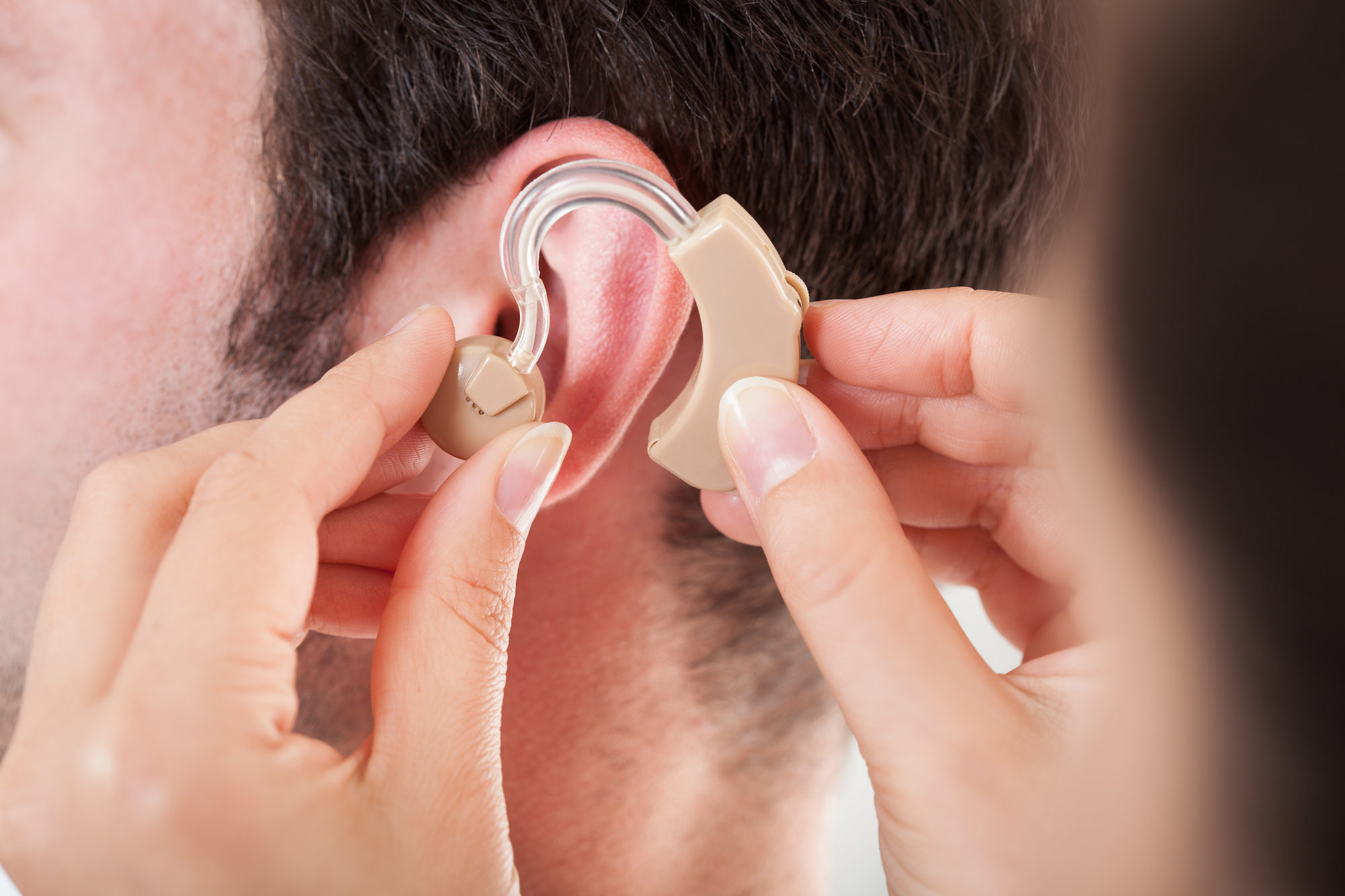
Hearing. It’s one of the senses we rely heavily upon to understand our world. And like most of our five senses, we never seem to fully appreciate it until it’s gone.
Is your nose constantly running, even though the rest of your body feels fine? Are you the friend everyone knows always has a tissue available?
Incidents of sleep apnea are on the rise. The American Academy of Sleep Medicine now estimates that 26% of Americans between the ages of 30 and 70 suffer from some form of sleep apnea.
Some people are born with hearing deficits. Others develop hearing loss slowly over time, and still others lose their hearing rapidly.
Most people are a little nervous before they go in for any kind of surgery, including a tonsillectomy.
You’ve experienced the misery of chronic sinus infections.
“Tumor” is a scary word. We associate tumors with cancer, and then cancer with shortened lifespans.
Sleep apnea causes a variety of short- and long-term health problems for an estimated 22 million Americans, and it can be difficult to cure.